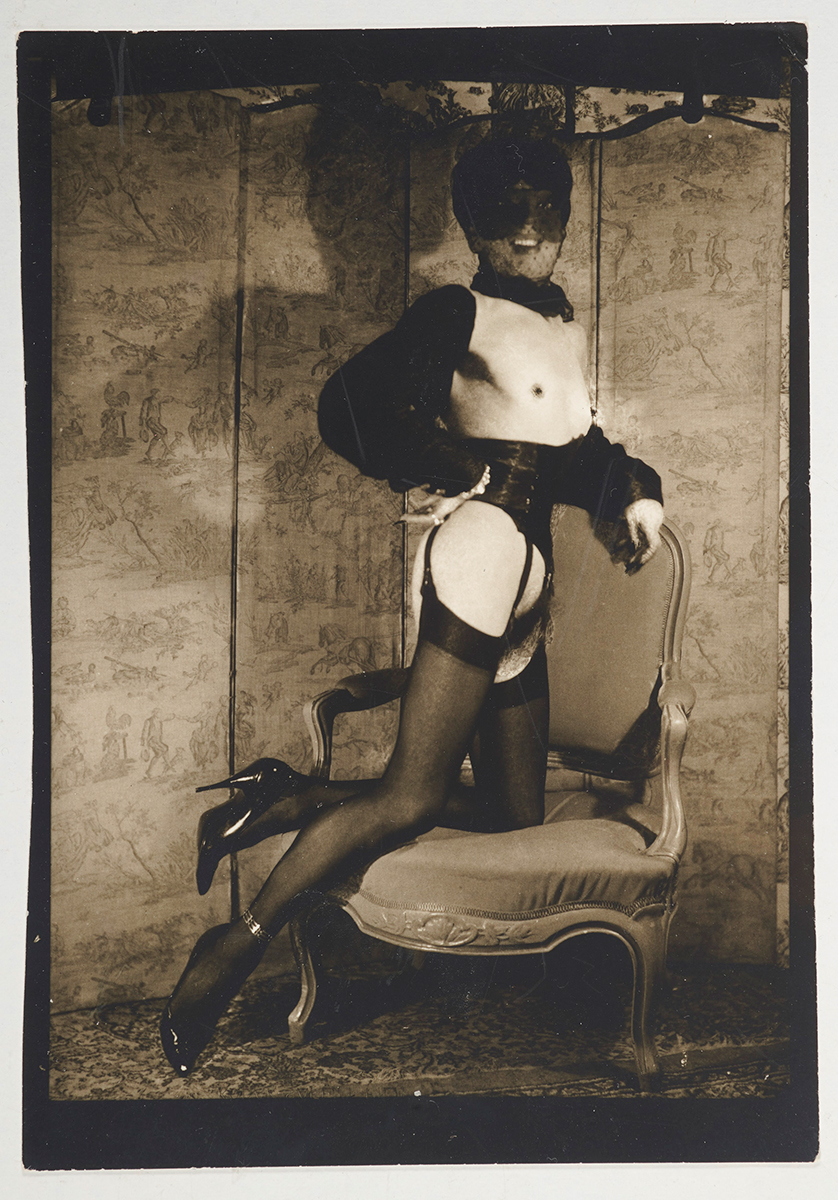
Anonymous, known as ZORRO (active 1940 - 1970)
Self-portrait, c.1940, matte aristotype, 12 x 9 cm, Ph 25052
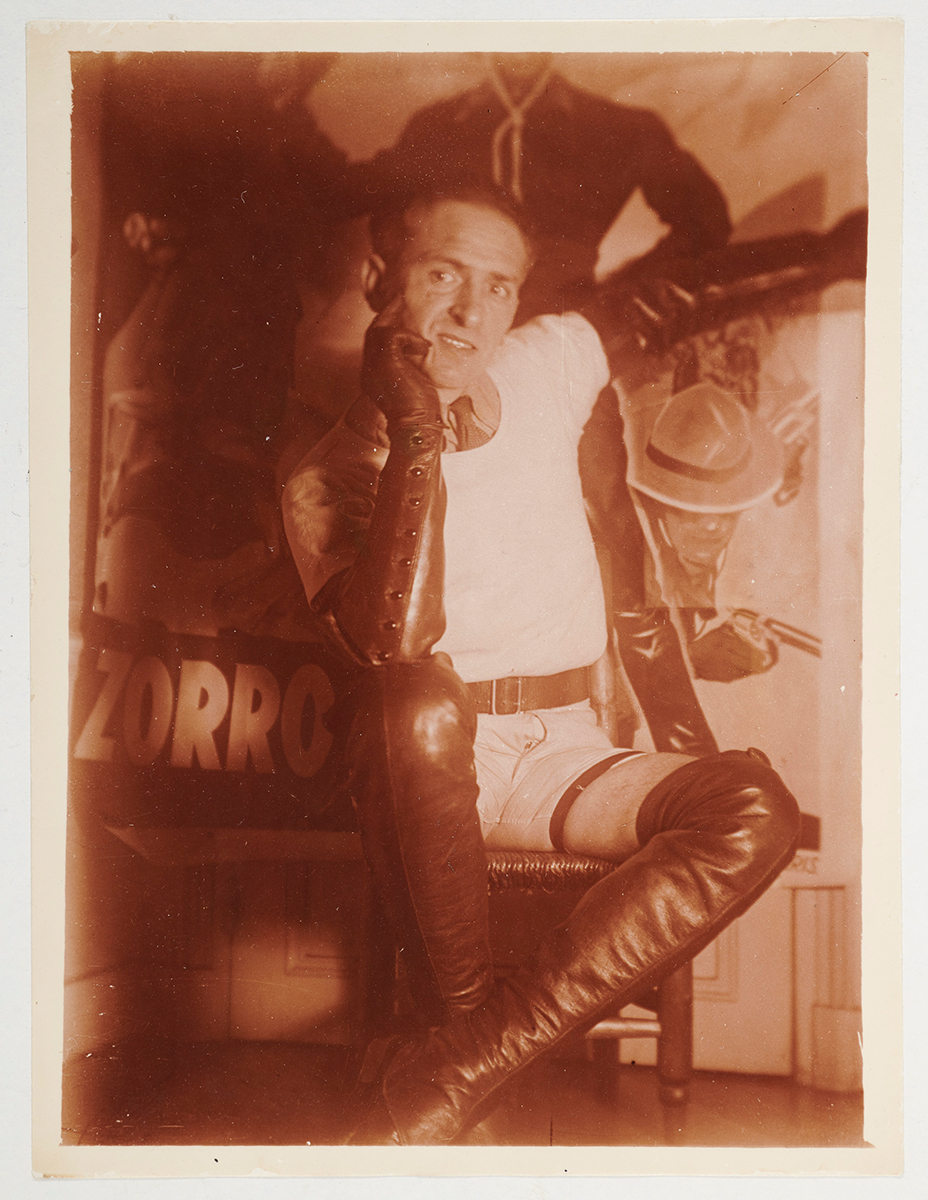
Autoportrait, c.1940, aristotype mate, 12 x 9 cm, Ph 25052


Anonymous, known as ZORRO (active 1940 - 1970)
Self-portrait, c.1940, matte aristotype, 12 x 9 cm, Ph 25052
Autoportrait, c.1940, aristotype mate, 12 x 9 cm, Ph 25052
Anton PRINNER (Budapest, 1902 - Paris, 1983)
La Femme tondue, Paris, A.P.R., 1946, artist's book, [58] p., 8 original engravings, 8° 26242
Born in Budapest in 1902, Anton Prinner studied at Beaux-Arts de Paris from 1920 to 1924. He left Hungary at the age of 25 and arrived in Paris in late 1927 or early 1928.
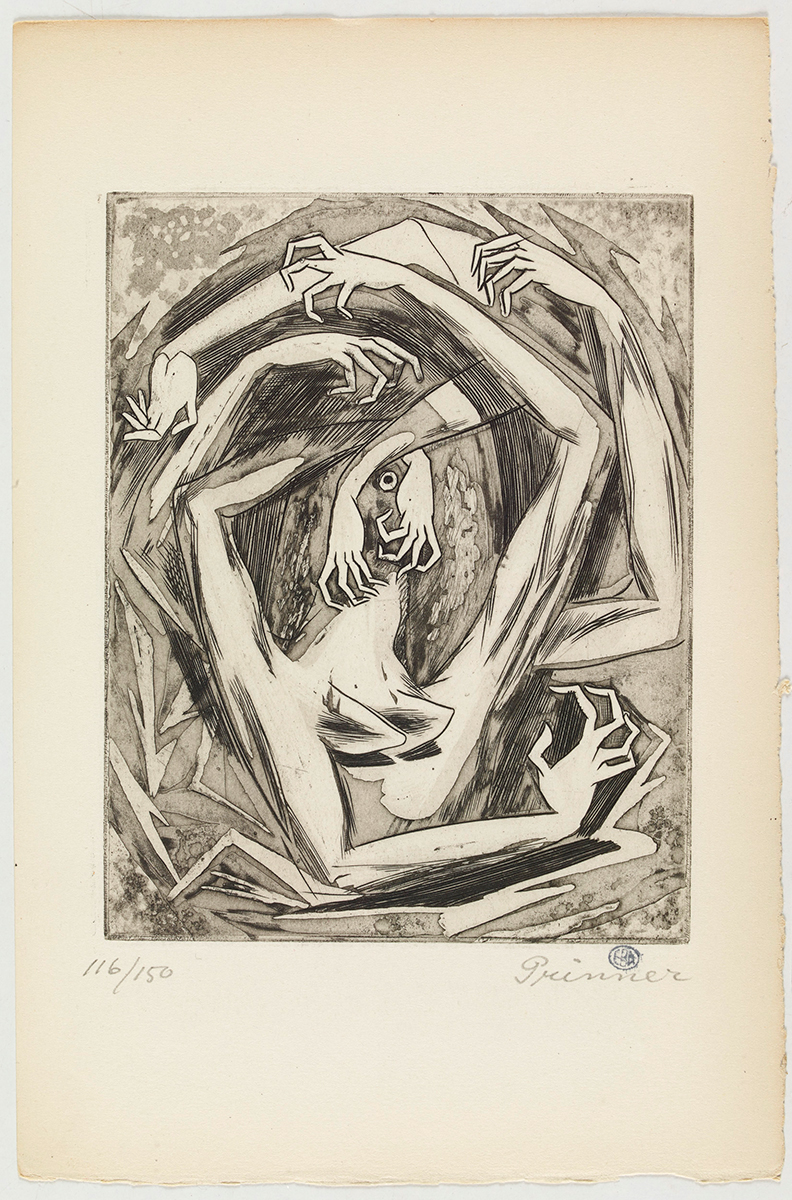
La Femme tondue, Paris, A.P.R., 1946, livre d’artiste, [58] p., 8 gravures originales, 8° 26242
This photograph is part of a body of works by singular and major figures, known and unknown, constituted to introduce students to the artists who were at the foundation of the art of the twentieth century. Taking a historical perspective, this collection positions gender issues, identified by the gender studies of the 1990s, as already present in artistic photographic practices, particularly very early ones, which were transgressive and ambiguous.
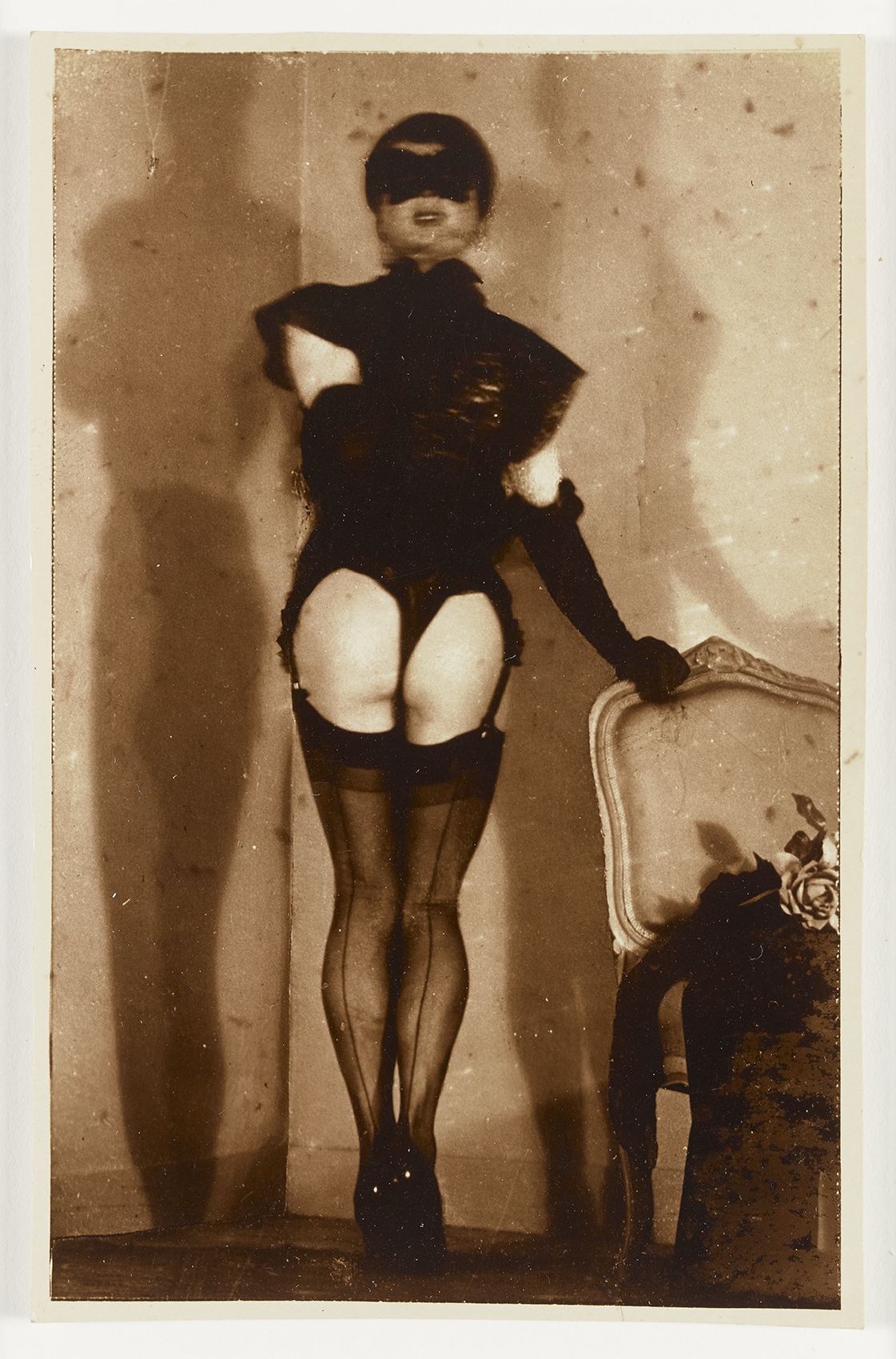
Autoportrait debout, La Fleur du paradis ou La Fille magique, 1957 Photomontage (la tête et les fesses placées sur le même plan) Tirage argentique d’époque sur papier brillant avec virage, 10,5 x 7 cm © Beaux-Arts de Paris, Ph 25049
These photographs are part of a body of works by singular and major figures, known and unknown, constituted to introduce students to the artists who were at the foundation of the art of the twentieth century. Taking a historical perspective, this collection positions gender issues, identified by the gender studies of the 1990s, as already present in artistic photographic practices, particularly very early ones, which were transgressive and ambiguous.
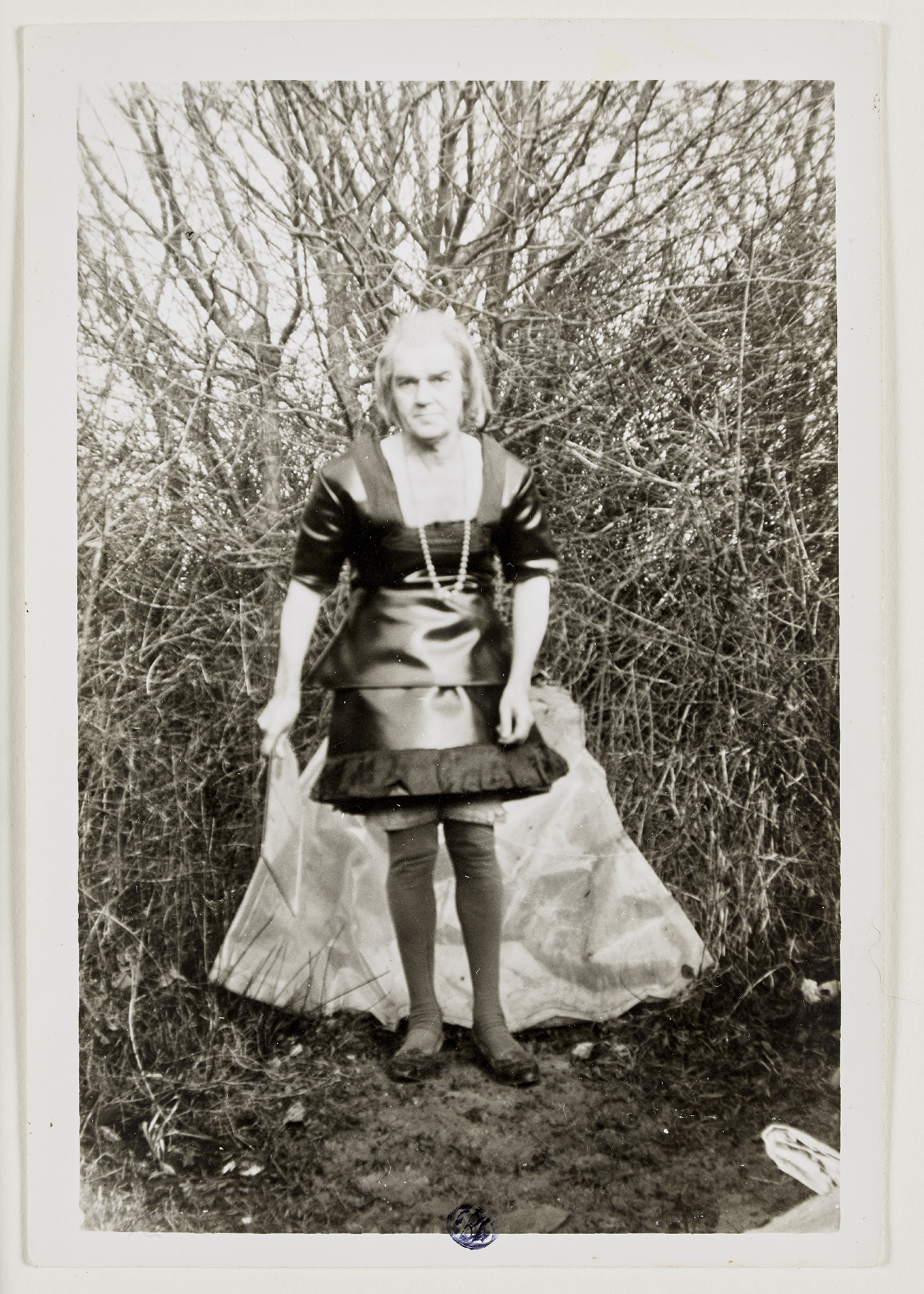
Pose 2, 19 avril 1973 Tirage argentique d'époque, 13 x 9 cm © Beaux-Arts de Paris, Ph 25047
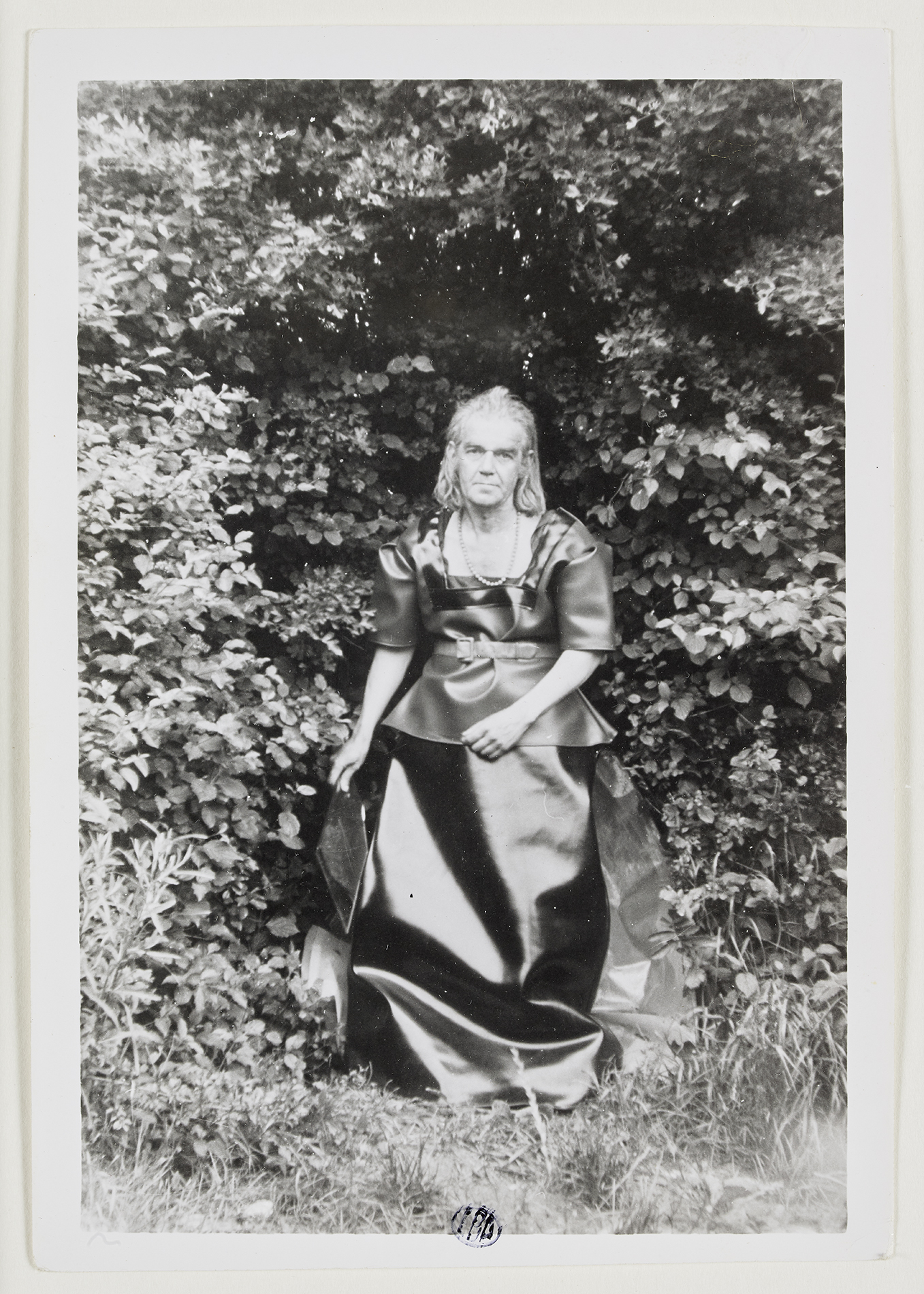
Pose 5, 7 janvier 1972 Tirage argentique d'époque, 13 x 9 cm © Beaux-Arts de Paris
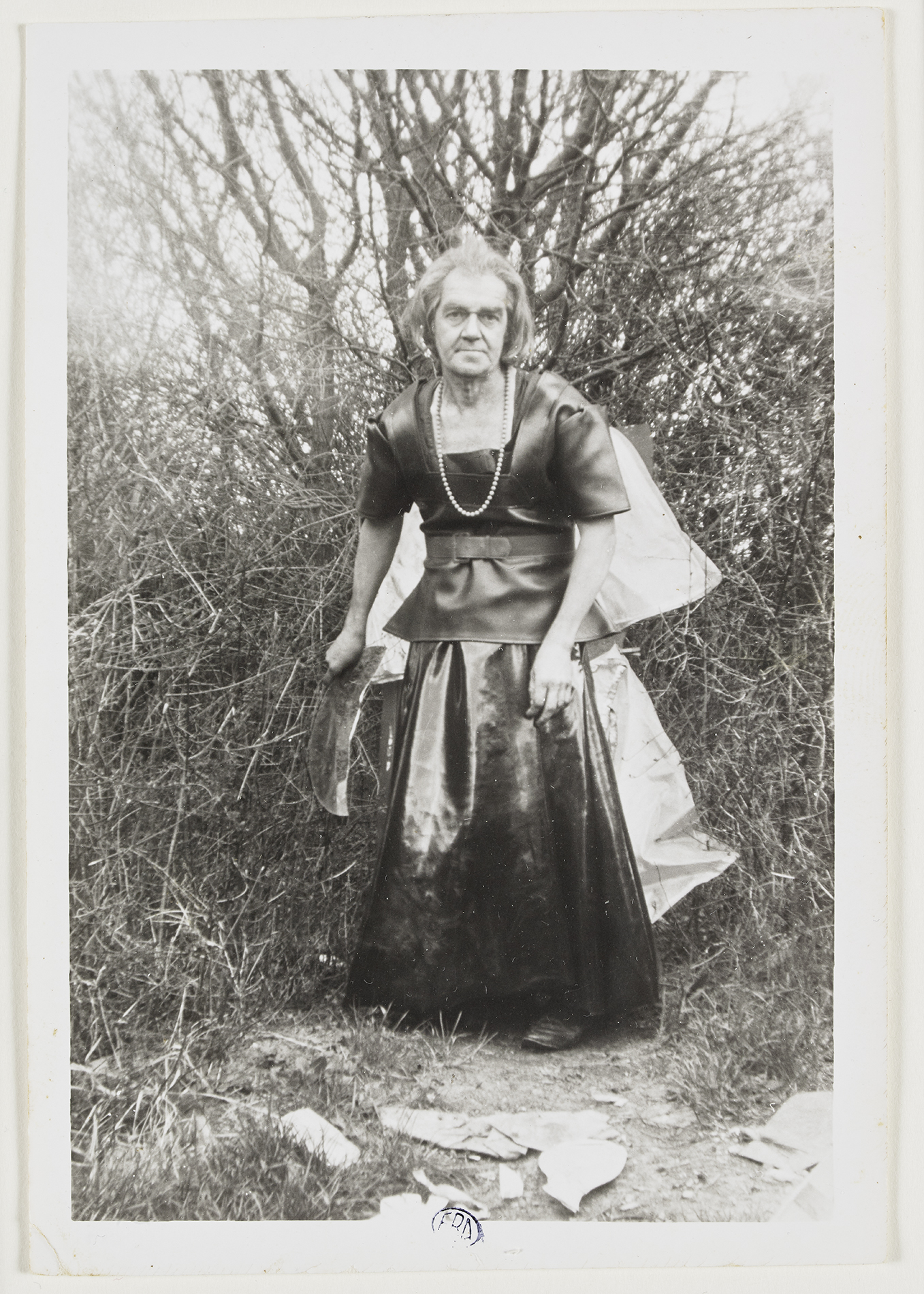
Pose 5, 7 juin 1971 Tirage argentique d'époque, 13 x 9 cm © Beaux-Arts de Paris
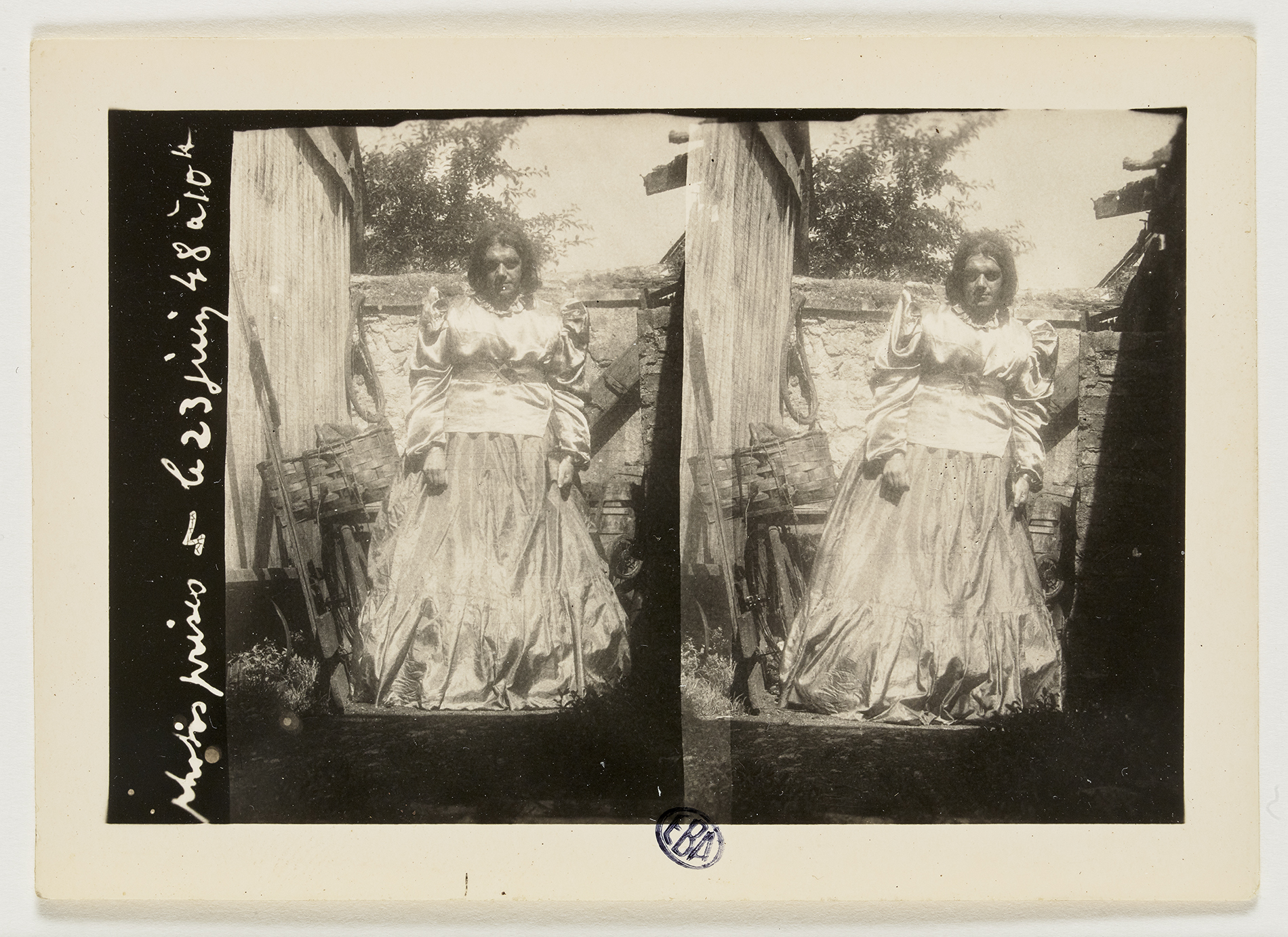
Photo prise le 23 juin 1948 à 10h Tirage argentique d'époque, 6,4 x 9,1 cm © Beaux-Arts de Paris
Originally from Romania, from the early 1930s Gherasim Luca (1913–1994) formed close links within the French art world, notably among the Surrealists; he settled permanently in France in 1953. Described by Gilles Deleuze as the “greatest poet in the French language,” Luca cultivated “hero-limit” work, to use the title of one of his pieces (“héros-limite,” 1953), where the deconstruction of language is based on the rejection of political, identity, and ethical categories, and reliance—twenty-five years before Deleuze and Félix Guattari—on anti-Oedipal notions.
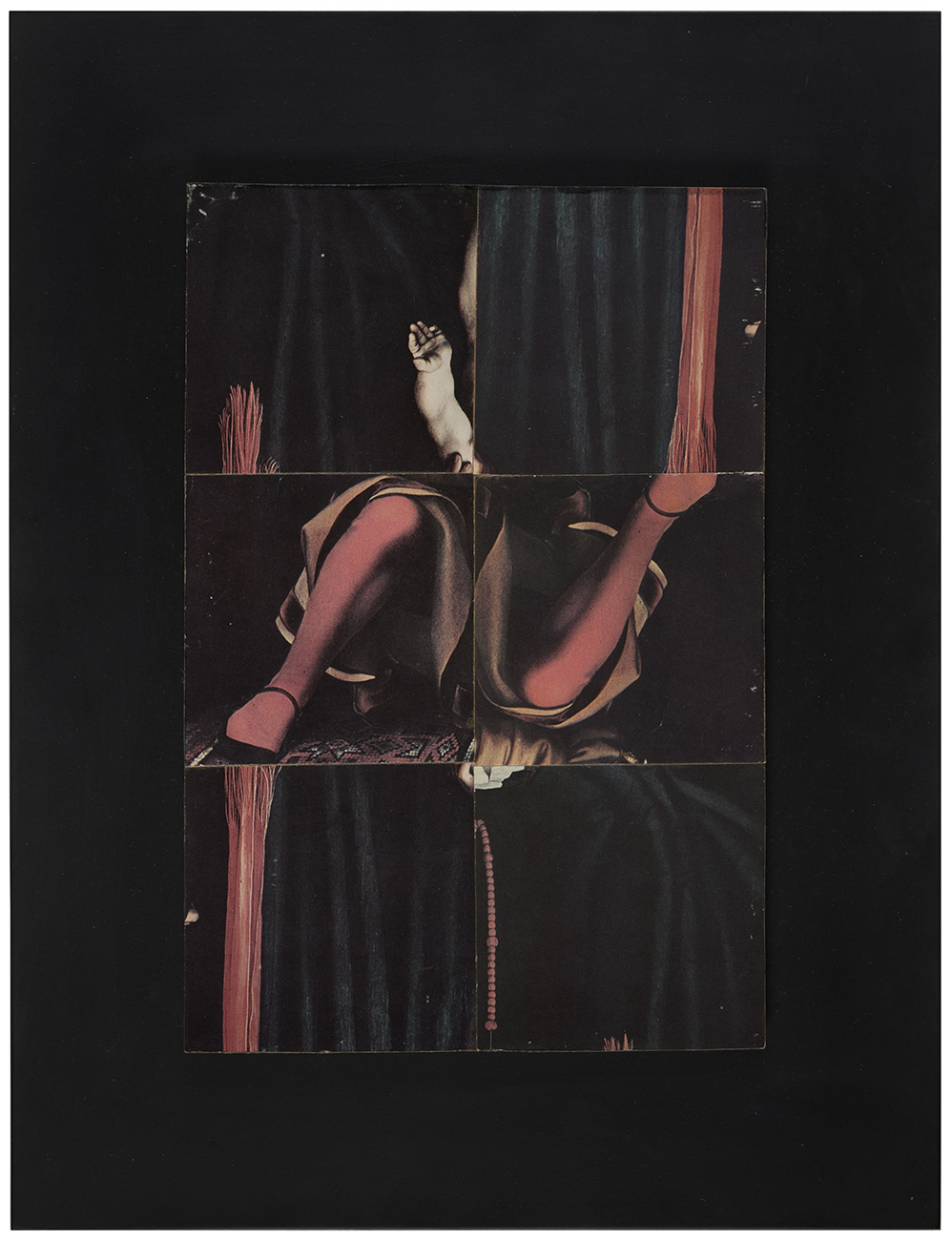
Cubomania entitled “Madone du Bourgmestre Meyer (d’après Holbein) ”, 1983 Collage of photos on board, mounted on a wood panel, 34,5 x 26 cm © Beaux-Arts de Paris
Victor Hugo was a prolific and talented draftsman who left some four thousand drawings, most of which are held by the Bibliothèque Nationale de France and the Maison Victor Hugo in Paris. This graphic production was important to the writer: “I am very happy and proud of what you think of the things I call my pen drawings,” he wrote to Charles Baudelaire in 1860. Among his repertoire, landscapes hold a significant place, whether they be of sites Hugo visited during his travels, drawn in situ or from memory, or imaginary landscapes.
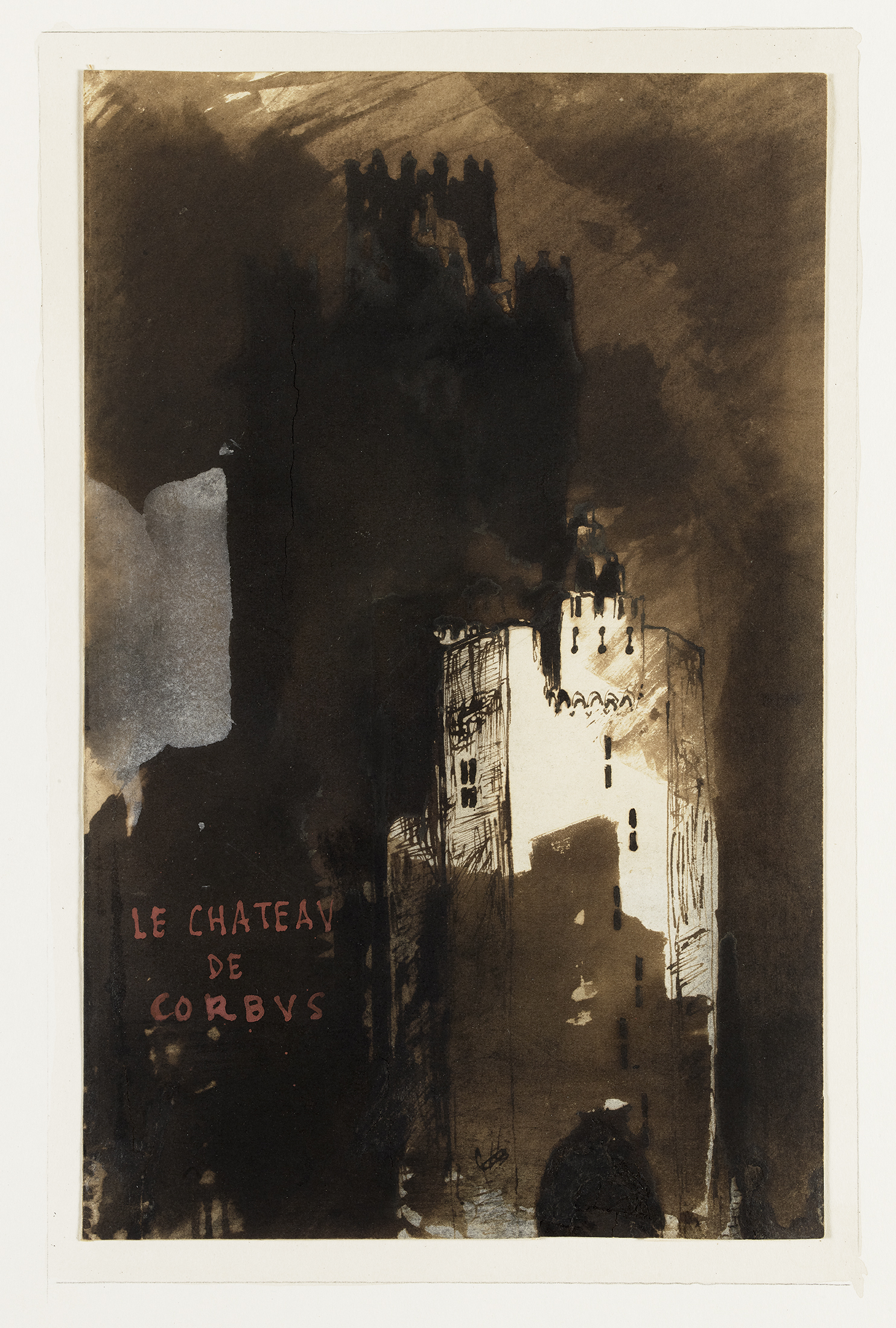
Le Château de Corbus, 1860 Brown wash and Indian ink, red and white gouache, 23 x 15 cm © Beaux-Arts de Paris, EBA 11198
This photograph is part of a body of works by singular and major figures, known and unknown, constituted to introduce students to the artists who were at the foundation of the art of the twentieth century.
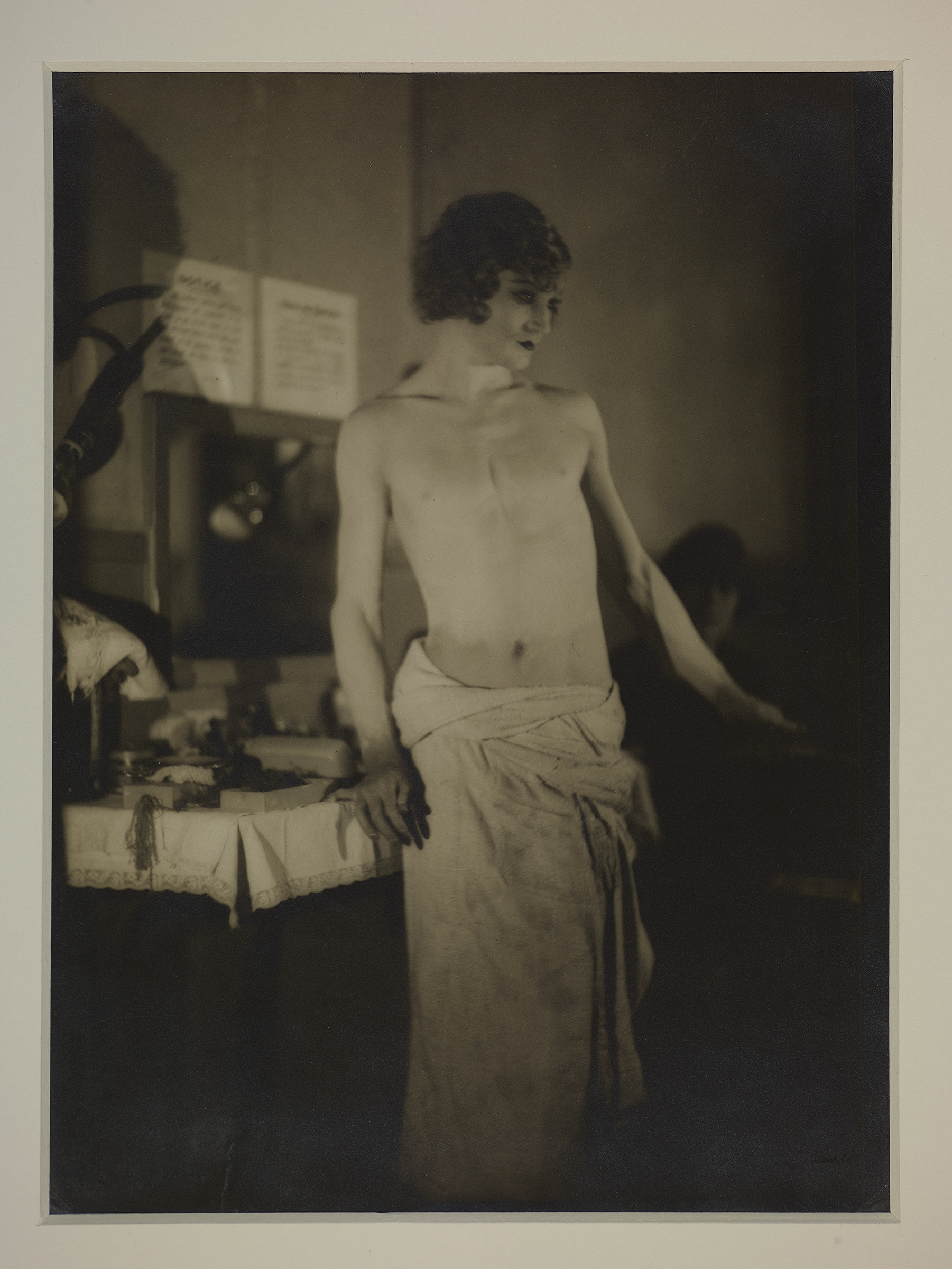
Barbette (Vander Clyde), 1926 Tirage sur papier au sel d’argent d’époque, 23,7 x 17,2 cm © Beaux-Arts de Paris, Ph 25044
Trained at Beaux-Arts de Paris, in the studio of Ingres, Célestin Nanteuil is the Romantic engraver par excellence. Inspired by the literature of the Romantic period—Hugo, Dumas, and Gautier—he placed his creative independence and his ornamentalist flair at the service of writers, painters, and journals, with all of his work being illustrations or interpretations.
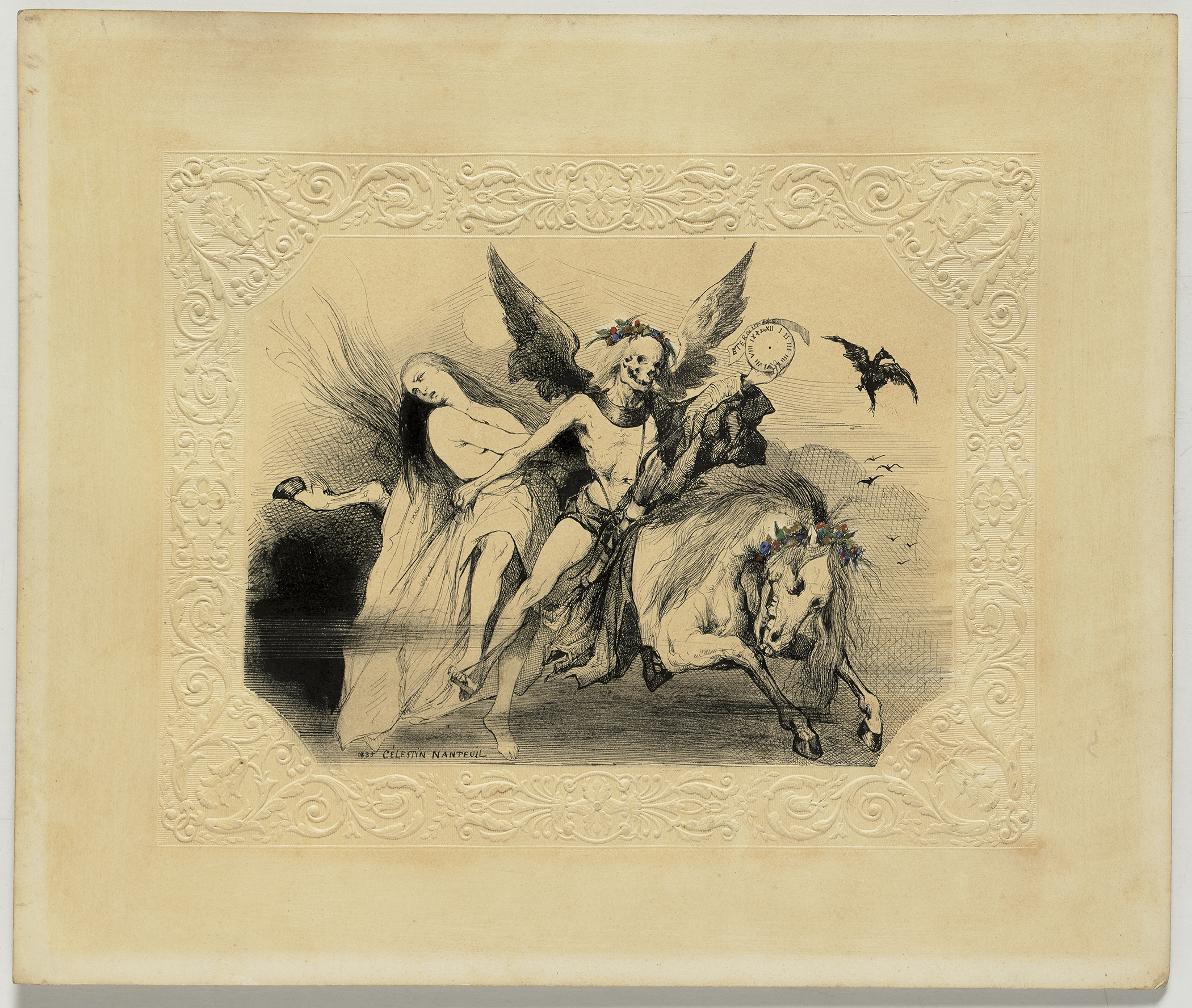
Lénore, 1835 Plume et encre de Chine, rehauts de gouache, 14,2 x 19,5 cm © Beaux-Arts de Paris, EBA 11178
These photographs are part of a body of works by singular and major figures, known and unknown, constituted to introduce students to the artists who were at the foundation of the art of the twentieth century. Taking a historical perspective, this collection positions gender issues, identified by the gender studies of the 1990s, as already present in artistic photographic practices, particularly very early ones, which were transgressive and ambiguous.
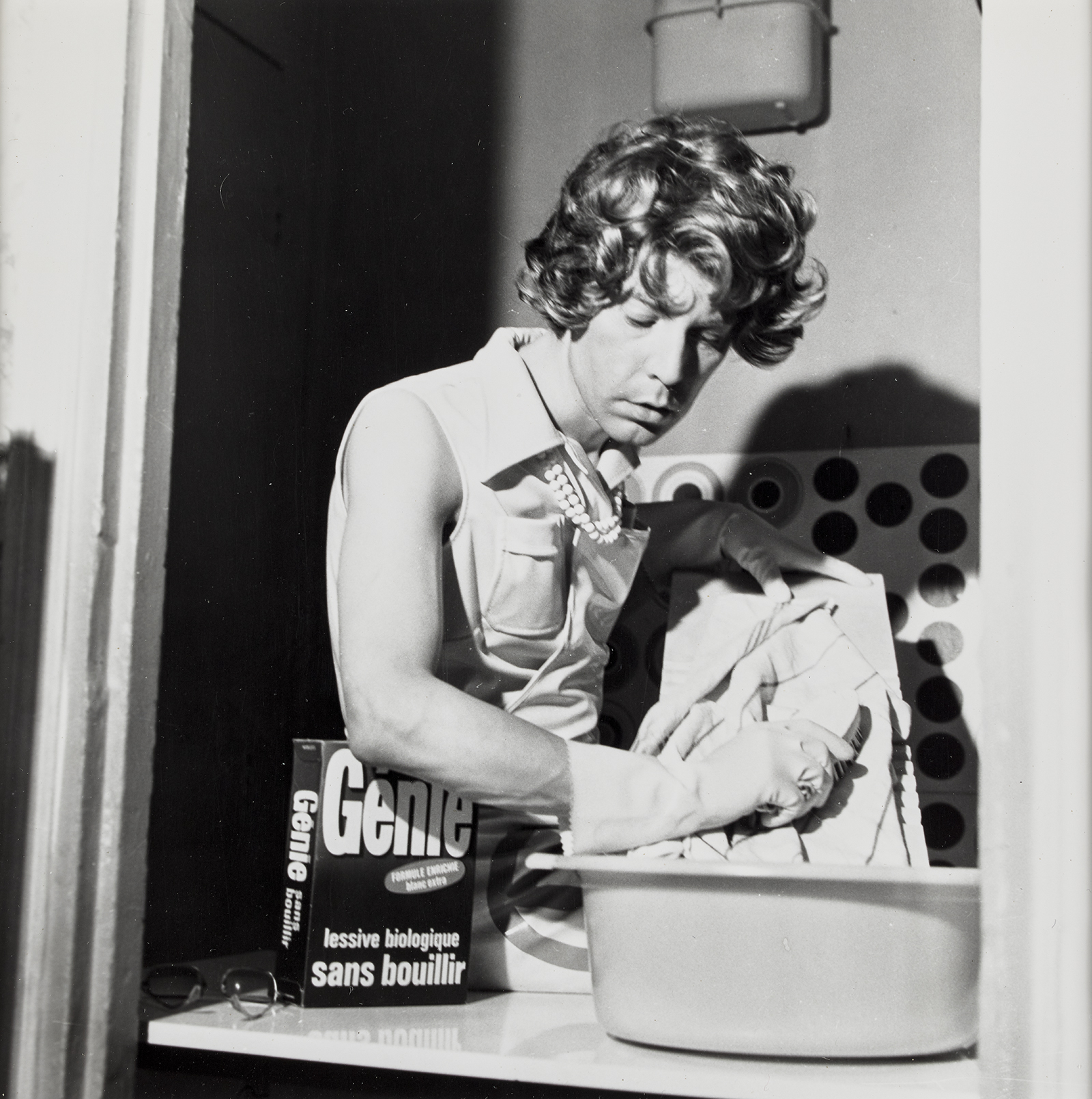
La Lessive (version 1), 1974 Non signé, Tirage argentique sur papier, 24 x 18,3 cm © Beaux-Arts de Paris, Ph 25051
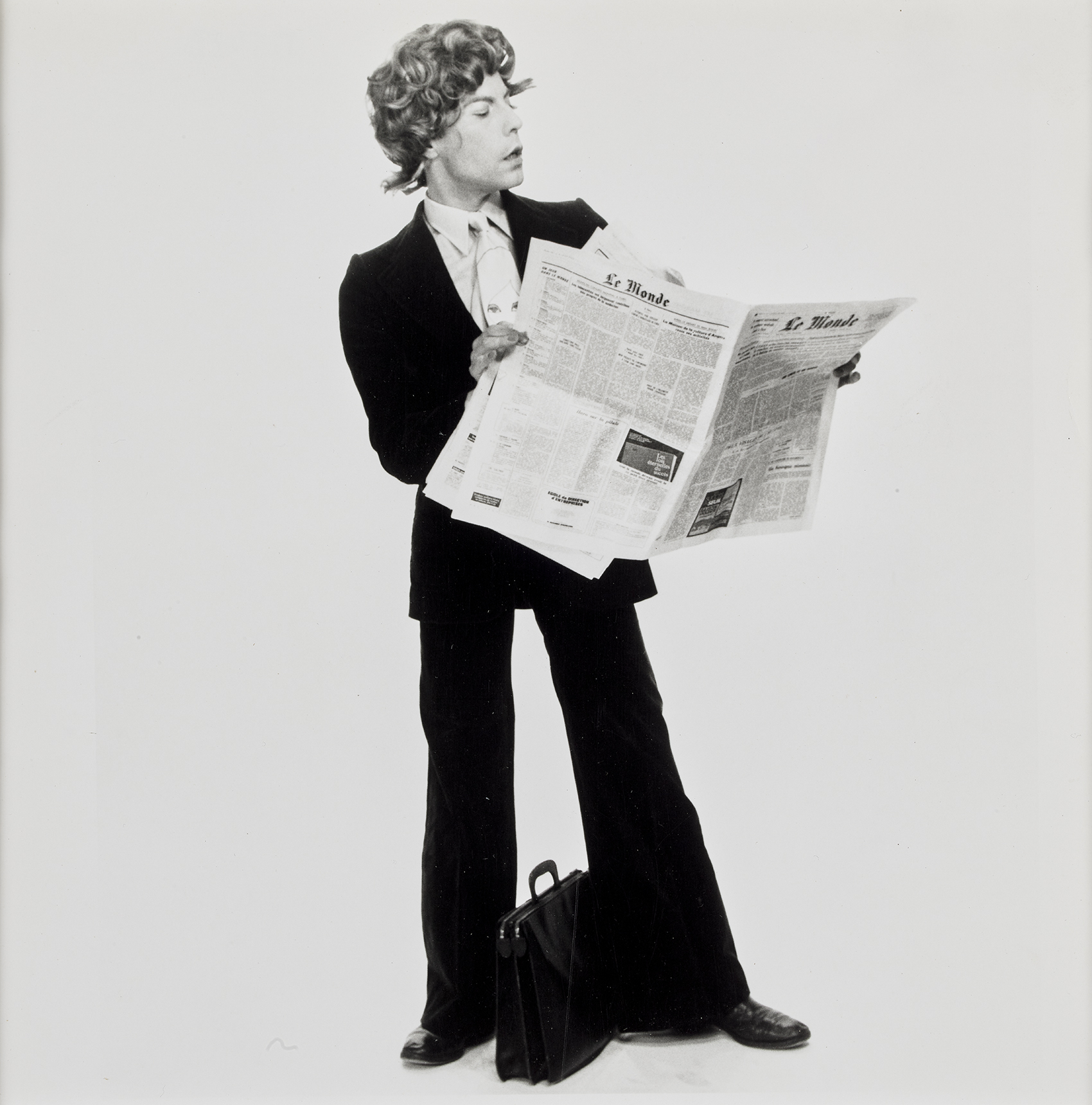
La Femme travestie (version 1), 1974 Non signé, Tirage argentique sur papier, 24 x 18,3 cm © Beaux-Arts de Paris
Debug Vue : ID: